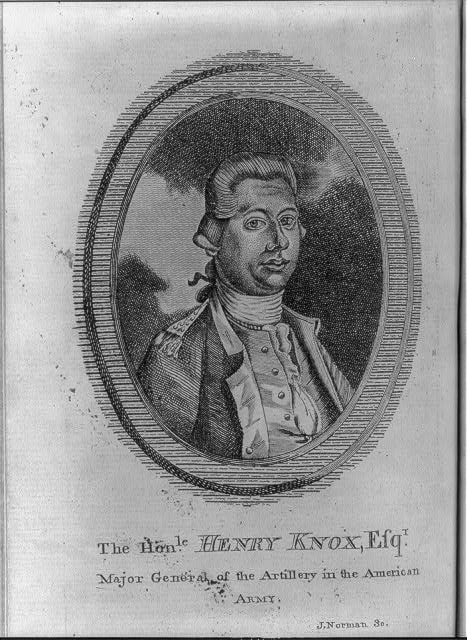
On September 29, 1789, the new federal government was about six months old, and its soldiers were still serving under rules written by the old one. On the last day of its first session, meeting at Federal Hall on Wall Street in New York, then the nation's capital, Congress passed a short law that brought those soldiers under the Constitution.
After the Revolution, the Continental Army was disbanded. The Confederation Congress kept only a small force, posted mostly on the western frontier to guard settlers and public lands. The Constitution, in effect since that spring, gave the new Congress the power to raise and support armies. But no law had yet placed the soldiers already serving under the new government.
President George Washington raised the problem that summer. On August 7 he sent Congress a message about frontier defense and a uniform militia, delivered by Secretary of War Henry Knox. On August 10 he told the Senate that the troops in service needed their establishment "conformed by law to the Constitution of the United States."
The act of September 29 did that. It kept the force and its pay as the Confederation had set them. Every officer and soldier would swear to support the Constitution and obey the orders of the President. The President could call out state militia to protect people on the frontier. The law was temporary, lasting only until the end of Congress's next session. That same day, Washington sent the Senate his list of officers under the new law.
The Army celebrates its birthday on June 14, the day in 1775 when the Continental Congress created the Continental Army. September 29, 1789, is the quieter date when the soldiers already serving came under the Constitution and the President.
Our 250th Anniversary of the U.S. Army Ornament marks that 1775 founding. ChemArt makes it in America.